
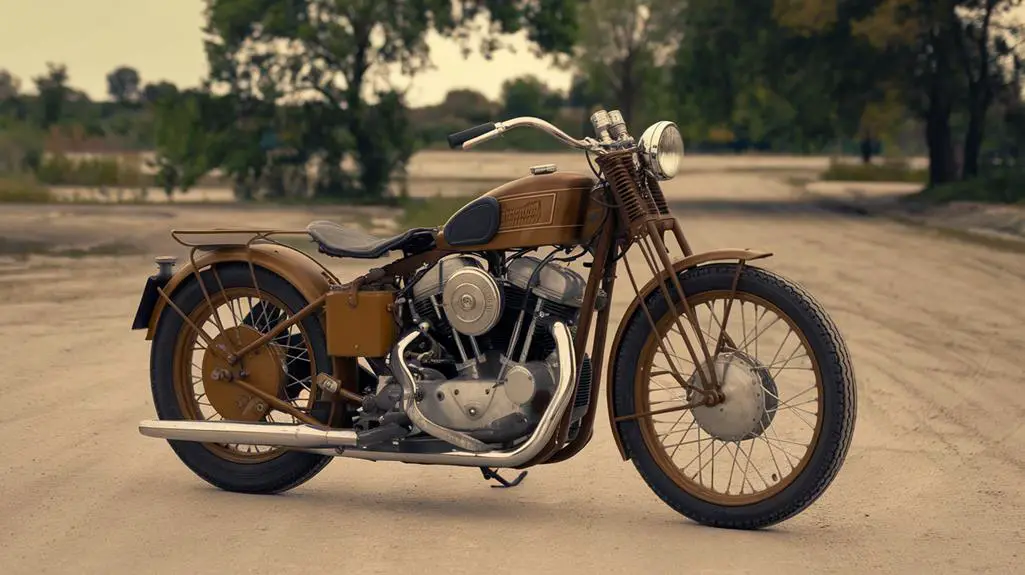
The Harley-Davidson FXR represents a pivotal chapter in the storied history of the iconic motorcycle brand. In 1982, you would have witnessed the launch of the FXR, a model that boasted a frame that changed the game, integrating forward-thinking design with the robust Evo engine from 1984 onwards. The model’s production run may have ended in 1994, but the cultural and mechanical impact of the FXR has endured. If you’re looking to understand why this bike holds a special place in the hearts of enthusiasts, exploring the Harley FXR years is quite the ride.
History Of The Harley FXR
In 1982, the birthdate of Harley-Davidson’s FXR model, a motorcycle was born that would make a lasting impact. This iconic model emerged as a harmonious blend of performance and the classic Harley ethos. The table below summarizes the evolution of the Harley FXR model.
| FXR Year | Engine Type | Key Features | Known Issues | Collectibility |
| 1982 | Shovelhead | First FXR model, AMF-era engineering | Early frame vibrations | Moderate |
| 1984 | Evo Engine | Huge reliability upgrade, smoother ride | Minor oil seepage | High |
| 1987–1990 | Evo Refined | Best handling years, improved rigidity | None major | Very High |
| 1991–1994 | Final FXR Years | Better suspension, CVO models introduced | Hard to source parts | Extremely High |
Birth Of The Harley FXR
The FXR’s story began during the tail end of the American Machine and Foundry (AMF) era, a period that marked significant change for Harley-Davidson. In these years, engineers were tasked with creating a motorcycle that retained the brand’s heritage while embracing the future of riding performance. When unveiled in 1982, the FXR featured not just any engine, but the esteemed Shovelhead. This power unit was known for its reliability and the distinctive sound that resonated with Harley enthusiasts.
- Year of Introduction: 1982
- Notable Engine: Shovelhead
Read more: A Total Overview of The Famous AMF Harley Years
Harley FXR Legacy
Harley-Davidson’s vision with the FXR was clear: to solidify its legacy through adaptability and attention to rider needs. The FXR lineage represents a relentless commitment to enhanced performance and handling, which has cemented its place in history. As a rider, you’ve come to associate the FXR with a distinct era that respected the roots of the brand while cruising into a progressive future.
- Highlights of FXR Legacy:
- Adaptability: Catering to diverse rider needs.
- Performance & Handling: A primary focus for the model’s development.
Harley FXR Engineering Breakthroughs
The Harley-Davidson FXR series possessed significant advancements in design and engineering, which heralded a new age of performance and handling in the realm of heavyweight cruisers.
Revolutionary Frame Design
Your ride’s stability and agility are greatly influenced by its frame, and the FXR’s revolutionary frame design is a testament to that. Engineers employed robotic welding techniques to craft a frame that was lighter yet stronger than previous models. This innovative frame utilized welded stamped-steel parts, resulting in improved handling and a more responsive ride.
Read more: Harley Davidson Frame Types Explained
Introduction Of The Evo Engine
At the heart of the FXR series lies the Evolution, or Evo, engine. A powerhouse born out of a need for reliability and power, the Evo engine transformed the Harley experience. It boasted an air-cooled, 1,340cc displacement engine that delivered smooth, robust performance while reducing the vibrations that were common in previous engines.
Related read: Harley-Davidson Evo Years To Avoid
Erik Buell’s Influence
Erik Buell, a name synonymous with motorcycle innovation, left an indelible mark on the FXR. Buell’s expertise as an engineer introduced refinements that enhanced handling and performance. Buell influenced the FXR’s track-inspired traits, marrying power with agility to create a motorcycle that could corner, accelerate, and cruise with equal grace.
FXR Model Variations and Special Editions
When exploring the Harley-Davidson FXR models, you’ll discover a rich tapestry of variations and special editions. Each iteration brought something unique to the riding experience.
From FXR To FXRS
The FXR set the standard for a more nimble riding experience. The FXRS was a natural progression, adding improved components and a slightly more aggressive stance. This model enhances your ride with better handling and performance.
The CVO And Limited Editions
Harley-Davidson’s Custom Vehicle Operations (CVO) brought high-end, limited-production models like the FXR2, FXR3, and FXR4. These bikes came equipped with special paint, custom wheels, and a wealth of other upgraded features. Limited-edition CVO models are prized for their exclusivity and high-quality finishes.
Police And Service Models
The FXRP police model is a testament to the versatility and reliability of the FXR series. Tailored to meet the rigorous demands of service use, these bikes were outfitted with specific equipment to support police work. They remain highly collectible and are a testament to the enduring legacy of the FXR line.
Harley FXR vs. Competitors
In exploring the heritage of Harley-Davidson FXR, you’ll find that its evolution addressed a competitive pressure from nimble foreign models and the shifting landscape of riders’ expectations.
FXR Versus Japanese Models
Harley-Davidson’s FXR was introduced at a time when Japanese motorcycles from Honda and Yamaha were gaining significant market share due to their sporty performance. The FXR was Harley’s answer to the competition, blending American muscle with enough agility to rival its Japanese counterparts. FXR’s design incorporated a frame that was stiffer and lighter than previous models, complemented by improved suspension systems.
- Honda: Known for reliability and innovation.
- Yamaha: Renowned for performance and agility.
The FXR provided you with a unique choice—a motorcycle that exuded the classic Harley V-twin rumble paired with an enhanced riding experience that could satisfy the modern rider’s need for performance.
Introducing The Dyna Glide
Following the FXR, Harley-Davidson introduced the Dyna Glide series which continued to bridge heritage with performance. The launch of the Dyna represented an evolution of the FXR, offering you further refinement and features. The Dyna line began in 1991 and was marketed as a middle ground.
- FXR: The performance-oriented precursor to the Dyna.
- Dyna Glide: Emphasized both tradition and the desire for a more robust yet versatile ride.
This series gained popularity for balancing the classic Harley ride with some of the performance attributes riders enjoyed in the FXR. It included innovations like the rubber-mounted engine which minimized vibration, thereby enhancing your riding comfort. By integrating these changes, Harley-Davidson continued to cater to your desire for a classic ride without sacrificing the advancements that modern motorcycles offered.
Related read: Best and Worst Harley Dyna Years Revealed
Mechanic Tip: Harley FXR Aftermarket Upgrades
Your Harley FXR isn’t just a motorcycle; it’s a canvas for expression. Customizing your ride enhances both its aesthetics and performance, and there’s a wealth of aftermarket parts to help you make your FXR truly yours.
Custom Harley FXR
The Harley FXR’s robust design makes it an ideal base for custom bikes. Enthusiasts often choose the FXR frame for its balance of reliability and performance, which lends itself well to both cosmetic and functional upgrades. When you’re customizing your FXR, you’re joining a community of riders who value the unique personality that comes with factory custom modifications—turning your bike into a one-of-a-kind masterpiece.
Notable Customizable Features:
- Engine: Performance upgrades can be achieved with high-flow air filters and aftermarket exhaust systems.
- Suspension: Upgrading to adjustable shocks can dramatically improve comfort and handling.
- Bodywork: From custom paint jobs to unique body panels, the FXR’s exterior can be transformed to reflect your personal style.
Availability Of Aftermarket Parts
Your options for enhancing and personalizing your Harley FXR are nearly endless, thanks to the availability of an array of aftermarket parts. Whether you’re looking for enhanced comfort with a new seat, increased function with saddlebags, or improved performance with engine upgrades—there’s something for every enthusiast.
- Performance: Look for engine components, exhausts, and tuning kits.
- Comfort: Seats, handlebars, and foot pegs can be swapped out for more comfortable counterparts.
- Function: Windshields, luggage racks, and lighting systems add utility to your ride.
Harley FXR Collectibility
When you’re considering the Harley FXR series, you’re looking at motorcycles that have not only stood the test of time but have grown significantly in desirability among collectors.
FXR Bikes As Collectors’ Items
The Harley FXR series, especially certain rare models, has seen a notable resurgence among collectors. Your search for a collectible FXR might lead you to models like the FXR3 and FXR4, which were re-issued in the late ’90s and are considered some of the best Harley bikes to own due to their limited production numbers. Collectors often seek these out for their distinct features and historical significance.
Market Trends And Resale Value
On the market, the resale value of Harley FXR motorcycles has been climbing. This trend is attributed to their rare status and growing popularity. If you own an FXR or are considering purchasing one, it’s important to keep an eye on market trends to understand the value of your investment. As of 2024, an FXR in good condition could command a higher price than in previous years, reflecting its status as a desirable collectible.
Harley FXR Culture and Community
When you think about the Harley FXR, you’re diving into a chapter of American motorcycle lore that goes beyond just a machine; it’s a cultural phenomenon that touches on the heartstrings of riding enthusiasts and communities across the U.S.
The FXR’s And American Motorcycle Culture
Harleys are more than motorcycles; they are a symbol of freedom and an intrinsic part of American V-twin culture. The FXR, in particular, stands as a testament to innovation within this storied lineage. With its distinct frame and enhanced handling characteristics, the FXR elevated the riding experience, fostering a devout following. As you look back, it’s clear how this model carved its niche in the annals of American motorcycling, influencing not just the design of future bikes but the very fabric of motorcycle culture. Its presence at rallies and on the highways has become shorthand for a rugged, authentic riding experience that enthusiasts hold dear.
Riding Clubs And Enthusiast Gatherings
Your experiences with the FXR and the larger Harley community may seem solitary at a glance, but the camaraderie that unites FXR riders is palpable. Riding clubs and enthusiast gatherings are the bedrock of the FXR’s community influence. At events like Sturgis and countless local meet-ups, you can witness a shared appreciation for not just the mechanics of these bikes, but the lifestyle they endorse.
- Riding Clubs: Local and national clubs have sprung up around the love for the FXR, reinforcing bonds among riders.
- Events: Rallies such as the annual Sturgis Motorcycle Rally have become meccas for FXR admirers, showcasing the bike’s enduring appeal.
Through these gatherings, the FXR’s cultural significance is perpetuated, ensuring its place in the collective heart of American motorcycle enthusiasts for years to come.
Frequently Asked Questions
During which years was the Harley FXR in production?
The Harley FXR was in production from 1982 until 1994. During this time, it earned a reputation for its improved performance and distinct style.
Can you list the various FXR models produced by Harley-Davidson?
Harley-Davidson produced several models of the FXR, including the FXR Super Glide, FXRS Low Glide, FXRT Sport Glide, and the FXRP police model, among others.
What are the unique features of the Harley FXR that distinguish it from other models?
The Harley FXR is known for its frame, which was considered innovative at its launch. The frame’s design provided enhanced handling and rigidity, which significantly improved the bike’s performance.
What is the meaning behind the ‘FXR’ designation on a Harley-Davidson motorcycle?
The ‘FX’ in FXR relates to the Harley-Davidson Super Glide line, while the ‘R’ denotes the bike’s rubber engine mounts designed to reduce vibration.
How does the Harley FXR’s performance compare to other Harley-Davidson motorcycles?
The Harley FXR is praised for its handling, thanks to its unique frame design, which makes it stand out compared to other Harley models from the same era.
What are common maintenance tips for keeping a Harley FXR in good condition?
To keep your Harley FXR in top condition, regularly change the oil, check the tire pressure and tread, inspect and adjust.