
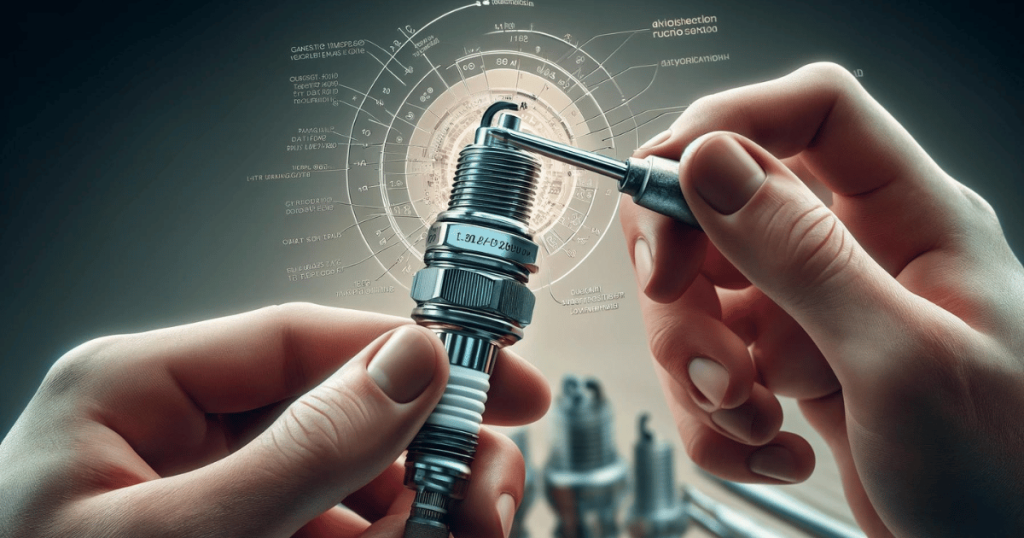
Maintaining the proper spark plug gap on your Harley-Davidson motorcycle is key to ensuring your engine runs smoothly and efficiently. The gap is the distance between the center and side electrodes of the spark plug, crucial for the right ignition of the fuel-air mixture in your engine’s cylinders. A correct spark plug gap ensures that your Harley’s engine fires correctly and maintains optimal performance.
Introduction To Spark Plug Basics
Types of Spark Plugs
Your Harley-Davidson’s engine performance largely depends on the type of spark plug you use. The three most common materials used for spark plugs are:
- Iridium: These spark plugs have a fine wire center electrode, are durable, and provide excellent longevity and performance. They generally offer better ignition and require less voltage.
- Platinum: With a platinum disc welded to the tip, these spark plugs offer a solid performance and are typically more durable than copper spark plugs.
- Copper: The traditional choice, copper spark plugs have a solid copper core and offer good conductivity; however, they may not last as long as iridium or platinum plugs.
Additional Guidance: NGK Spark Plug Basics
Spark Plug Anatomy

Understanding the construction of a spark plug can help you better maintain and replace them:
- Central Electrode: This is the part of the spark plug where the electrical charge accumulates before it jumps the gap and creates a spark to ignite the fuel-air mixture.
- Insulator: Usually made of a ceramic material, it prevents current from leaking and ensures it flows to the intended path.
- Metal Case: This houses the insulator and the central electrode, often with a hex shape that allows a spark plug wrench to grip it for installation or removal.
Harley-Davidson Spark Plug Gaps By Engine
It is important to note that these are general specifications and that the specific spark plug gap for a particular Harley-Davidson model may vary slightly. Always consult the Harley Davidson owner’s manual or a trusted mechanic.
| Model | Recommended Spark Plug Gap |
|---|---|
| Shovelhead Engines | 0.040 inches |
| Twin Cam Engines | 0.040 inches |
| Evolution Engines | 0.040 inches |
| Milwaukee-Eight Engines | 0.038 – 0.042 inches |
| Revolution Max Engines | 0.028 – 0.031 inches |
Harley-Davidson Spark Plug Gaps Other Models
It is important to note that these are general specifications and that the specific spark plug gap for a particular Harley-Davidson model may vary slightly. Always consult the Harley Davidson owner’s manual or a trusted mechanic.
| Model | Recommended Spark Plug Gap | Notes |
|---|---|---|
| Shovelhead (1975-1981) | 0.025 – 0.030 inches | |
| Shovelhead (1982-1984) | 0.040 – 0.045 inches | Wider gap for later models. |
| EVO 1340 | 0.032 – 0.036 inches | |
| XR 1000 | 0.040 inches | Performance-oriented variant. |
| Sportster | 0.040 inches | |
| V-Rod | 0.040 inches | New standard for Harley performance. |
Harley-Davidson Spark Plug Selection
When tuning your Harley, selecting the right spark plug is pivotal for optimal engine performance. The correct spark can improve efficiency, and ensure a smooth ride.
Choosing the Plug Type
Type: There are various types of spark plugs including standard, platinum, iridium, and more.
- Standard plugs are often used for stock Harley engines and are a solid choice for regular maintenance.
- Iridium and platinum plugs offer improved longevity and performance, especially under high-compression or high-RPM conditions.
Related Read: Who Manufactures Harley-Davidson Spark Plugs?
Compatibility with Performance Upgrades
When upgrading your Harley with aftermarket performance parts, consider upgrading your spark plugs to match. Performance upgrades often change the demands on your engine, which can alter the ideal spark plug choice.
- Aftermarket ignition systems may require a different spark plug type for optimal performance.
- Higher performance engines may benefit from plugs that can handle increased heat and pressure, like NGK Iridium IX Spark Plugs or Bosch Platinum Plus Spark Plugs.
Compatibility with Harley-Davidson Model
Always ensure that the plugs you select are compatible with your Harley model. Remember, each model might have specific requirements, so cross-reference your bike’s specifications with manufacturer recommendations.
- Best Spark Plugs for Harley Evo
- Best Spark Plugs for Harley Shovelhead
- Best Spark Plugs for Harley Sportster
- Best Spark Plugs for Harley Street Glide
- Best Spark Plugs for Harley Twin Cam Engines
Install Harley-Davidson Spark Plug and Set Gap
Proper installation and regular maintenance of your spark plugs are crucial for the smooth running of your Harley-Davidson motorcycle. Pay attention to the torque settings and the spark plug gap to ensure optimal performance.
Remove Old Spark Plugs
When it’s time to change your spark plugs, start by selecting the correct type for your Harley model. You’ll want to gently remove the old spark plugs using a spark plug socket—avoid applying too much force to prevent damage.
Check And Adjust Spark Plug Gap
Next, use a spark plug gap gauge to measure the gap between the center and ground electrode of the spark plug. The gap should match your motorcycle’s specifications. Adjust the gap as necessary by gently bending the ground electrode with a spark plug gap tool.
It is important to note that the spark plug gap should always be adjusted when the engine is cold. Additionally, never attempt to adjust the spark plug gap on a motorcycle that is running or has recently been running.
Re-Install And Torque Spark Plug
Once you’ve verified the spark plug gap, you can install the new spark plugs. Carefully thread them by hand at first to prevent cross-threading. Then, use a torque wrench to tighten the plugs to your manufacturer’s specs. Over-tightening can damage the plug or the threads. A typical torque range for spark plugs can be around 12-18 ft-lbs, but always verify with your Harley-Davidson service manual.
Remember, maintaining the correct plug gap and torque is key; the gap allows for the appropriate spark to ignite the fuel and air mixture, while the right torque ensures a proper seal and heat transfer.
Spark Plug Common Issues and Troubleshooting
In maintaining the performance of your Harley-Davidson motorcycle, understanding how to identify and address common spark plug issues is essential. If you encounter engine misfires, it could be a sign that your spark plugs aren’t gapped properly, leading to issues in the combustion process.
Common Spark Plug Issues
- Incorrect Spark Plug Gap: A gap that is too wide or too narrow can cause your engine to perform poorly or not at all. Ensure you follow the correct specifications for your model.
- Fouled Spark Plugs: Black, sooty deposits on the spark plug can indicate a rich fuel mixture, while a white, blistered plug may suggest a lean condition. If the fuel mixture is too rich or lean, riders should adjust the carburetor or fuel injection system to reduce the amount of fuel being delivered to the engine. Riders should also use high-quality fuel and avoid excessive idling. Clean or replace plugs as needed.
- Damaged Electrodes: A worn or damaged electrode can result in an inadequate spark. Inspect your spark plugs during regular maintenance intervals.
Diagnosing Engine Misfires
- Listen: A misfiring engine will often produce irregular or stuttering sounds from the exhaust.
- Inspect: Check for visible signs of wear or damage on each spark plug.
- Test: Use a spark plug tester or multimeter to assess the plugs’ electrical performance.
When To Replace Spark Plugs
- Mileage interval: Most Harley-Davidson spark plugs should be replaced every 10,000–15,000 miles, depending on riding style and plug type.
- Manufacturer’s service interval: Always follow the schedule in your Harley-Davidson owner’s manual.
- Poor performance symptoms: Misfires, hard starts, rough idling, or sluggish acceleration.
- Visual wear: Excessive deposits, burnt electrodes, cracked porcelain, or widened gap.
- Fuel efficiency drop: Noticeable decrease in MPG despite normal riding conditions.
- After tuning or engine mods: Fresh plugs ensure consistency when you adjust air/fuel or ignition timing.
- Time-based replacement: Even low-mileage bikes may need new plugs every 2–3 years, since moisture and corrosion can degrade them.
Frequently Asked Questions
Here, you’ll find answers to common questions regarding the spark plug gaps for various Harley engines.
Do iridium or platinum plugs last longer than standard plugs?
Yes. Iridium and platinum spark plugs typically last 2–3 times longer than copper plugs. However, they still need to be inspected regularly for gap wear.
Should I gap iridium plugs before installing?
Many iridium plugs come pre-gapped, but it’s always wise to check with a feeler gauge. Handle carefully, as the fine electrodes can be damaged if bent.
Can spark plug gaps really affect performance?
Absolutely. A gap that’s too wide can cause misfires and weak sparks, while one that’s too narrow can reduce combustion efficiency and horsepower.
Is it okay to clean and reuse old spark plugs?
Lightly fouled plugs can sometimes be cleaned, but heavily worn or damaged plugs should be replaced. For best performance and reliability, new plugs are recommended.
What’s the difference between Harley OEM plugs and aftermarket brands?
OEM plugs are designed to factory specs, while aftermarket options (like NGK or Screamin’ Eagle) may offer longer life, better materials, or performance tuning benefits.
Pro Tips
- Always check the spark plug gap before installation, even if the box says “pre-gapped.”
- Use a proper feeler gauge tool — avoid coins, wire, or guesswork.
- Apply anti-seize sparingly if recommended, and torque plugs to Harley’s spec to avoid stripping threads.
- Keep a spare set of plugs in your toolkit for road trips.
- Inspect plugs during every major service (oil, chain, or tire change).
Final Thoughts
Keeping your Harley’s spark plugs properly gapped is one of the simplest ways to improve combustion, fuel economy, and long-term reliability. Even a fraction of an inch off can cause misfires or wasted fuel, so checking and adjusting gaps regularly is well worth the effort. Combined with routine inspections and timely replacements, fresh spark plugs ensure your Harley runs as strong as the day it rolled off the lot.
For a complete approach to Harley maintenance, don’t stop at spark plugs:
- Check out our Motorcycle Chain Maintenance Guide for tips on cleaning, lubricating, and adjusting your chain.
- Learn how to keep your tires safe and long-lasting with our Motorcycle Tire Pressure Basics guide and Complete Harley Davidson Tire Pressure Chart.
- Make sure all your bolts are properly torqued to the correct specification by visiting Torque Specs for Harley Davidson Motorcycles.
By staying on top of these essential maintenance tasks, you’ll enjoy smoother rides, better performance, and the confidence that your Harley is ready for the open road.