
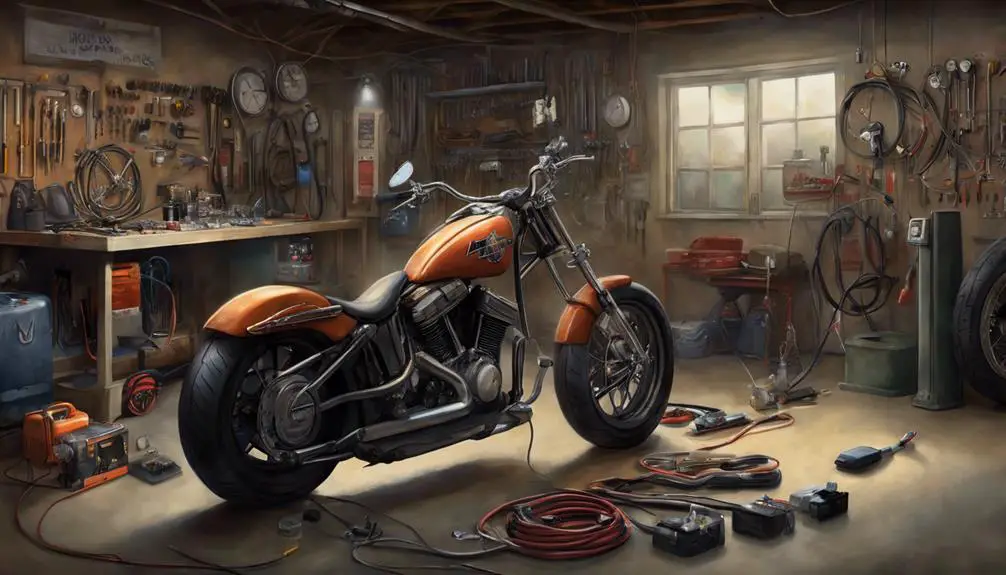
If you’ve ever experienced flickering lights or difficulty starting your Harley bike, you’re likely familiar with the frustration that electrical issues can bring. By implementing a few key strategies, you can greatly reduce the likelihood of encountering these common problems. From ensuring proper wiring connections to understanding the intricacies of your bike’s charging system, there are essential steps you can take to safeguard against electrical malfunctions. Stay tuned to discover practical tips and techniques that will help you enjoy a smoother, trouble-free ride on your Harley bike.
Key Takeaways
- Regular maintenance prevents common electrical issues, ensuring worry-free rides.
- Proper wiring inspection detects wear, damage, and connection issues early.
- Understanding the charging system components prevents unexpected electrical problems.
- Avoid overloading circuits by spreading the load and using quality components.
- Consider electrical upgrades like LED headlights, high-output alternators, and lithium batteries for improved performance.
Importance of Regular Maintenance

Regularly maintaining your Harley bike is essential to prevent common electrical issues. Taking charge of the upkeep empowers you to enjoy the open road without worrying about unexpected breakdowns due to neglect. By staying on top of maintenance tasks, you liberate yourself from the constraints of frequent visits to the mechanic and costly repairs.
When you take the time to inspect your bike regularly, you’re reclaiming your independence as a rider. Simple tasks like checking the wiring, ensuring all connections are secure, and keeping an eye on the overall condition of components can make a significant difference in the longevity of your Harley’s electrical system.
Embracing a proactive approach to maintenance not only saves you time and money but also gives you the freedom to customize your riding experience without being held back by preventable issues.
Checking Your Battery Health
To keep your Harley bike running smoothly, it’s important to regularly check your battery health. Start by testing the battery voltage and ensuring it’s within the recommended range.
Additionally, pay attention to preventing terminal corrosion to maintain peak electrical performance.
Battery Voltage Check
Make sure that you routinely monitor the voltage of your Harley bike’s battery to maintain its health and performance. Checking your battery’s voltage is essential in preventing unexpected breakdowns and ensuring your rides are smooth and trouble-free. Here is a simple guide to help you understand the voltage readings of your battery:
| Battery Voltage | Battery Health | Action Required |
|---|---|---|
| 12.6V – 12.8V | Good | No immediate action needed |
| 12.4V – 12.5V | Fair | Recharge if possible |
| Below 12.3V | Poor | Recharge immediately |
Terminal Corrosion Prevention
Monitor and prevent terminal corrosion to maintain peak battery health in your Harley bike. Corrosion on the battery terminals can hinder the flow of electricity, leading to starting issues and overall electrical problems.
To keep your bike running smoothly, regularly inspect the battery terminals for any signs of corrosion.
Start by disconnecting the battery cables and cleaning the terminals with a mixture of baking soda and water. Use a wire brush to scrub off any buildup, guaranteeing a clean metal surface. After cleaning, apply a thin layer of dielectric grease to the terminals to prevent future corrosion.
Additionally, consider using terminal protectors or felt washers to provide an extra barrier against corrosion. Keeping the terminals clean and protected will help maintain a strong electrical connection and prolong the life of your battery.
– Latest Reads
- 5 Best Motorcycle Locks To Keep Your Ride SecureMotorcycle theft happens fast and if you think it won’t happen to you, that’s exactly what thieves are counting on. Whether you park on the street, at work, or even in your own driveway, the right lock can be the difference between riding home and filing a police report. In this guide, we break down… Read more: 5 Best Motorcycle Locks To Keep Your Ride Secure
- Harley Code P1510: The Best Explanation Of Causes And FixesWhen it comes to Harley Davidson motorcycles, there’s a lot to understand regarding error codes. This article offers an in-depth look at Harley Code P1510. This code is common among Harley Davidson motorcycles, especially those with handlebar alterations. We’ll talk about when you should be concerned, what you should know, and what you can do… Read more: Harley Code P1510: The Best Explanation Of Causes And Fixes
- Harley Davidson Code C0077 – The Causes And How To FixHarley Davidson diagnostic code C0077 indicates a low tire pressure condition. Such a condition can lead to decreased fuel efficiency and increased tire wear. Neglecting this issue can also lead to safety hazards, such as tire blowouts and loss of control while riding. Read to understand what causes the code, how to fix it, and… Read more: Harley Davidson Code C0077 – The Causes And How To Fix
- The Complete Overview Of Harley Davidson Code P1632Harley Code P1632 is a common trouble code encountered by Harley Davidson riders and mechanics. The code refers to the “Odometer Learned Up” error, an issue related to the vehicle’s speedometer and odometer systems. So what does this mean for you, and should you be concerned? Well maybe, but what can you do about it?… Read more: The Complete Overview Of Harley Davidson Code P1632
- Harley Davidson Diagnostic Codes: The Most Complete GuideHarley Davidson motorcycles, with their robust engines and iconic design, represent the perfect blend of power and style. But even these legendary bikes can run into technical issues. Recognizing and resolving these challenges is key to maintaining their performance and longevity. One effective method for identifying problems is by scanning your bike for Harley Davidson… Read more: Harley Davidson Diagnostic Codes: The Most Complete Guide
- Harley Davidson Fat Boy Oil Capacity: The Ultimate GuideIf you’re a Harley Davidson Fat Boy owner, you should know that understanding the oil capacity of your bike is important for its best performance. It is actually one of the most important aspects of maintaining a Harley Davidson Fat Boy. Whether you ride daily or only on weekends, knowing the correct engine oil capacity… Read more: Harley Davidson Fat Boy Oil Capacity: The Ultimate Guide
- Harley Davidson Starter Relay Problems: The Ultimate GuideEncounter a delay when expecting the thundering rumble of your Harley Davidson? You’re not alone. A myriad of riders face the occasional hiccup with motorcycle starter issues, casting a shadow on the joy of the ride. In this critical guide, we plunge into the technical depths of Harley Davidson starter relay problems – dissecting symptoms,… Read more: Harley Davidson Starter Relay Problems: The Ultimate Guide
Proper Wiring Inspection Techniques
When inspecting your Harley’s wiring, it’s vital to understand the importance of thorough checks.
Key areas to focus on include connections, insulation, and any signs of wear or damage.
Recognizing early signs of wiring problems can prevent larger electrical issues down the road.
Wiring Inspection Importance
Examining the wiring on your Harley bike regularly is crucial to prevent potential electrical issues. Proper wiring inspection techniques can save you from costly repairs and guarantee a smooth riding experience.
To keep your bike in top shape, follow these key steps:
- Visual Inspection: Check for any visible damage, fraying, or wear on the wires.
- Connection Examination: Make sure all connections are secure and free of corrosion.
- Testing Circuits: Use a multimeter to test the circuits for continuity and proper voltage levels.
Regularly inspecting your Harley’s wiring not only enhances safety but also boosts performance. By staying proactive and addressing any wiring issues promptly, you can enjoy a trouble-free ride and prevent unexpected breakdowns.
Key Areas to Check
Conduct a thorough visual inspection of the key areas in your Harley bike’s wiring to guarantee peak performance and safety. Begin by examining the wiring harness for any signs of wear, fraying, or damage.
Check connections at important points such as the battery terminals, fuse box, and ignition switch to make sure they’re secure and free of corrosion. Inspect the routing of the wires to ensure they aren’t pinched or rubbing against sharp edges that could lead to short circuits.
Pay close attention to areas where wires pass through tight spaces or near hot engine components. Use a multimeter to test for continuity and proper voltage levels at different points along the wiring system.
Additionally, verify that all electrical components such as lights, signals, and horn are functioning correctly. By diligently inspecting these key areas, you can prevent potential wiring issues and enjoy a trouble-free riding experience.
Signs of Wiring Problems
Inspecting the wiring of your Harley bike requires keen attention to detail to identify potential issues before they escalate. Proper wiring inspection techniques can help prevent electrical malfunctions and keep your ride smooth and safe.
Here are some signs to watch out for:
- Frayed or Damaged Wires: Look for any exposed wires or areas where the insulation is worn out.
- Burn Marks or Discoloration: Check for any burnt spots or discoloration on the wires, which could indicate overheating or short circuits.
- Strange Odors or Smoke: If you notice any unusual smells or smoke coming from the wiring area, it’s a clear sign that something is wrong.
Understanding Charging System Components
To properly maintain your Harley bike’s electrical system, it’s important to understand the components of the charging system. The charging system consists of three main parts: the stator, the voltage regulator, and the battery.
The stator is responsible for generating electricity as the engine runs, which is then converted into DC power by the regulator. The voltage regulator controls the amount of voltage being sent to the battery to make sure it doesn’t overcharge.
The battery stores the electrical energy needed to start your bike and power accessories when the engine is off. Understanding how these components work together is vital for keeping your bike running smoothly.
Regularly inspecting these components for any signs of wear or damage can help prevent unexpected electrical issues. Look out for frayed wires, loose connections, or corrosion that may impact the charging system’s performance.
Tips for Avoiding Overloading Circuits
To prevent electrical issues and maintain the peak performance of your Harley bike, make sure that you follow these tips for avoiding overloading circuits.
- Spread the Load: Distribute electrical accessories across different circuits rather than connecting them all to a single circuit.
- Use High-Quality Components: Invest in quality wiring, switches, and connectors to make certain they can handle the electrical load without overheating.
- Regularly Inspect Connections: Check all connections for signs of wear or corrosion, as poor connections can lead to increased resistance and potential overloading.
Importance of Quality Electrical Upgrades
Invest in quality electrical upgrades to enhance the performance and longevity of your Harley bike’s electrical system. Upgrading your Harley’s electrical components not only boosts its overall efficiency but also reduces the risk of unexpected breakdowns on the road. Quality upgrades guarantee that your bike’s electrical system can handle the demands of modern accessories and provide a more reliable riding experience.
Consider these essential electrical upgrades for your Harley bike:
| Upgrade | Description | Benefits |
|---|---|---|
| LED Headlights | Brighter and more energy-efficient | Improved visibility and longer lifespan |
| High-Output Alternator | Increased charging capacity | Supports additional accessories |
| Lithium Battery | Lightweight and longer lifespan | Enhanced starting power and durability |
These upgrades not only enhance your bike’s electrical performance but also contribute to a safer and more enjoyable riding experience. By investing in quality electrical upgrades, you can ride with confidence knowing your Harley is equipped to handle the demands of the road.
Conclusion
By prioritizing regular maintenance, checking your battery health, inspecting wiring, understanding charging components, and avoiding circuit overloads, you can prevent common electrical issues in your Harley bike.
Remember, quality upgrades like LED headlights, high-output alternators, and lithium batteries can enhance performance and safety on your rides.
Just like a well-tuned engine, a well-maintained electrical system will keep your Harley running smoothly for many miles to come.
Ride on, worry-free!